

Let's break down the traditional southern New Year's Day meal that Black American families have passed down through centuries! In this post, I'll explain the symbolism and cultural significance of our New Year's Day food traditions and, of course, easy recipes you can make and share on January 1st.
And if you enjoy this post, you'll love my Soul Food Thanksgiving menu and Black cookout recipes collection, too!

Jump to:
✊🏾 Significance of the New Year in Black American History
Marking a new year is a universal custom that represents hope and endurance in cultures all over the world. And the African American tradition aligns with that heavily.
During enslavement, African Americans blended their indigenous spiritual practice of marking the end of year transition into the Christian tradition of Watch Night to gather, pray, reflect, and prepare for the year to come.
New Year's Eve is also culturally significant because it marks Freedom's Eve, when enslaved folks gathered on December 31, 1862, in anticipation of the Emancipation Proclamation going into effect on January 1, 1863.
In modern times, New Year's Day is also the last day of Kwanzaa, an American cultural holiday created in 1966 to promote cultural pride and historical awareness during the Black Freedom Movement.
Summarize + Save this Content on:
So, what is a traditional Soul Food New Year's Day meal?
The traditional Black southern New Year's Day meal is simple yet steeped in cultural significance and symbolism. There are four basic components and myriad ways to enjoy them. We eat greens for financial wealth, black eyed peas for good luck, cornbread for prosperity, and pork for progression and abundance.
You can make distinct dishes or blend some together. Now, let's dig into each element of traditional New Year's food and meaning, and how to prepare them!
1. Greens

During enslavement, the leafy greens of the Americas, including mustard and turnip greens, collards, and kale, were one of the few things African Americans were permitted to grow for themselves. And greens were adapted into Black American foodways with preparation similar to West African greens like amaranth and spinach.
Greens are enjoyed year-round and especially during special occasion dinners, but have extra significance in the traditional New Year's Day dinner menu. Because of their color and foldable shape, greens are symbolic of cash money.
You can serve up a traditional preparation like Soul Food collard greens with smoked turkey, or mustard greens with ham hocks, or try a winter massaged kale salad. Cabbage counts, too, so consider fried cabbage with Cajun sausage. Either way, you'll need to plan ahead because good greens take time!
Want a two-for-one dish? My baked cheesy collard green dip has bacon in it!
2. Black Eyed Peas
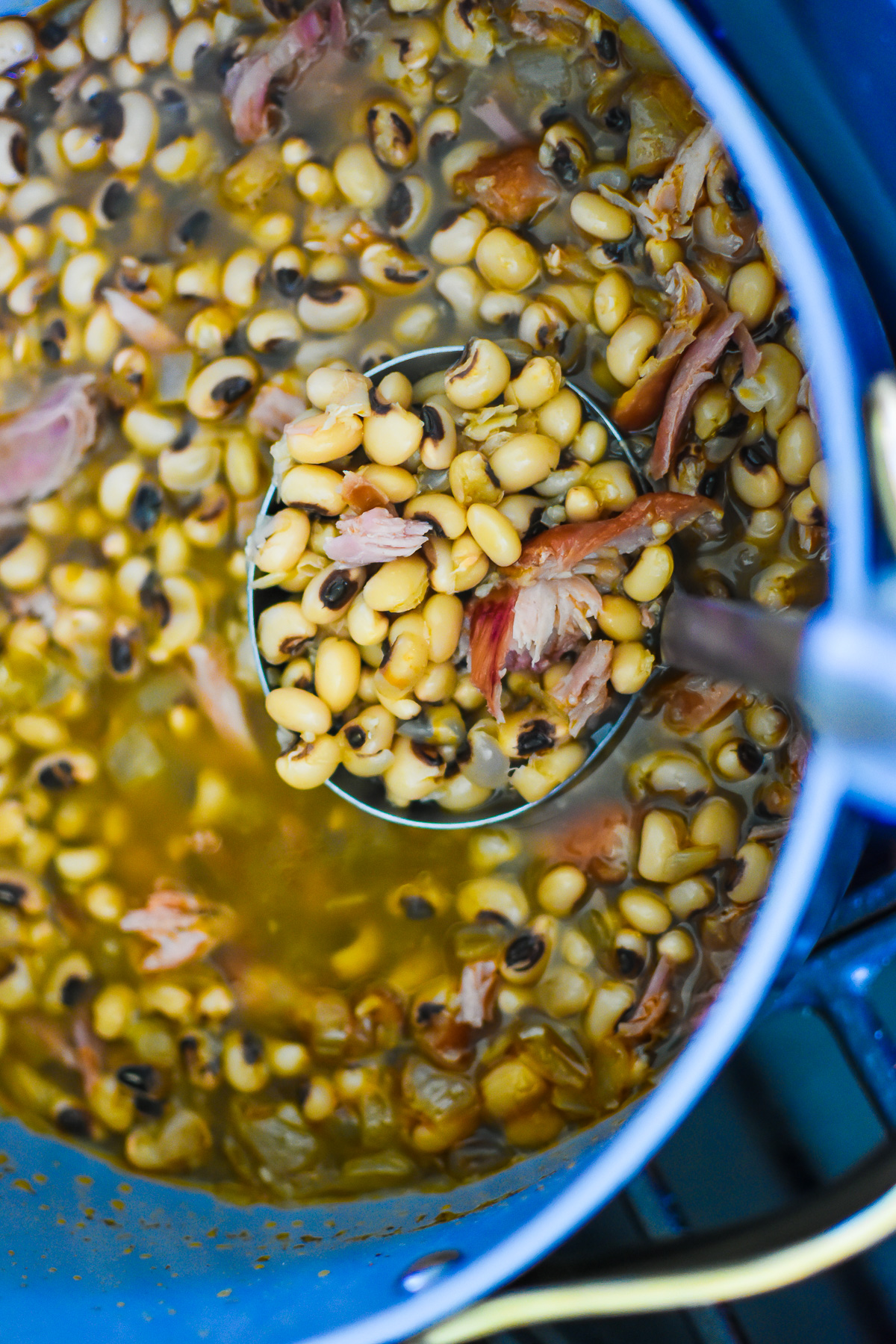
The black eyed pea or cowpea traveled with enslaved Africans through the Middle Passage from West Africa to the Americas--along with their agricultural knowledge to help it flourish in the "New World." It became a key food for Black folks in the American South and Caribbean islands.
Although black eyed peas were nourishing and nutrient-rich, they were considered a lowly food unfit for human consumption by white American society. As such, black eyed peas and other crops were left untouched by Union soldiers during Civil War raids. This led to the black eyed pea being associated with good luck or survival against the odds.
Physically, the beans are thought by some to have resembled coins, especially when they swelled after soaking in water as part of the preparation process.
Enjoy black eyed peas for New Year's Day in my slow cooked Soul Food black eyed peas recipe or stewed Nigerian ewa riro recipe--both made with smoked turkey! Or make Ghanaian waakye or creamy black eyed pea dip for vegan-friendly options.
Want a two-for-one dish? This marinated black eyed peas salad also includes collard greens!
3. Cornbread

Maize or corn was already a staple crop in the Americas when enslaved Africans arrived, and the cornmeal was a regular part of their rations. African Americans used their culinary techniques to create cornbread, which has remained affordable and simple to make.
Cornbread and its related dishes (like seafood cornbread dressing) represent the inventiveness of Black American people. And the golden color has come to symbolize wealth and prosperity.
Make classic cast iron skillet honey cornbread for New Year's Day, or be a lil extra with sweet potato cornbread, cheesy cornbread biscuits, or smoked cornbread with hot honey butter!
4. Pork
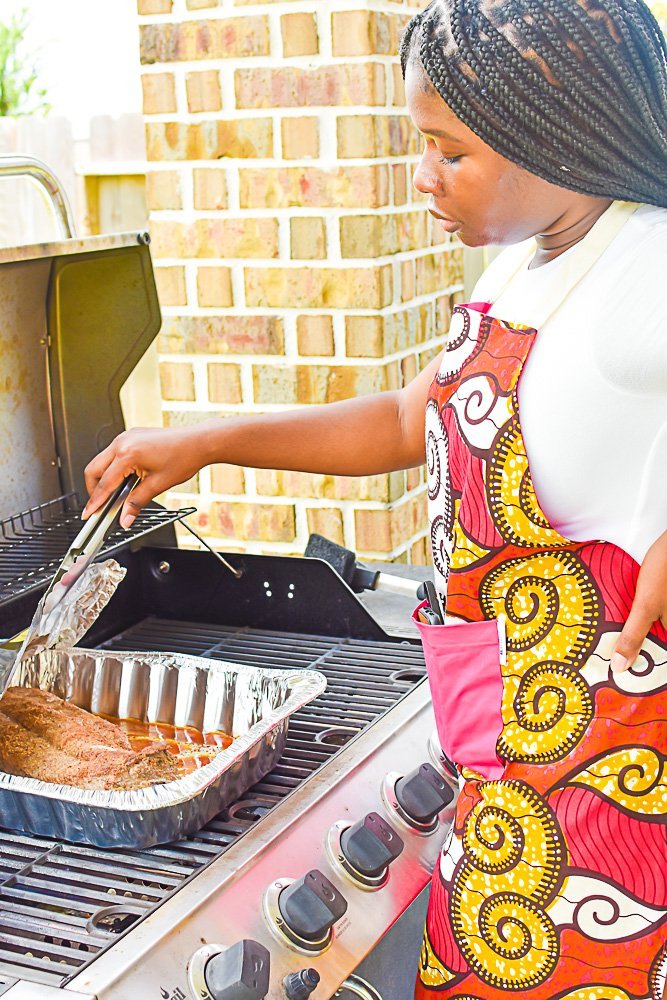
Although pork is not universally eaten across African American communities, it has a special significance in southern circles, especially in states like Mississippi and South Carolina. For context, I'm from Houston, Texas, and it's not as big a deal in my family.
Generally speaking, though, being able to raise--or purchase--and cook a hog is associated with wealth, success, and abundance. And pigs themselves symbolize progress or advancement due to the fact that they root forward as they forage.
When our enslaved ancestors had access to pork, it was typically fatback or tough cuts like ham hocks, which we've seen incorporated into the tradition of longer-cooked dishes with stewed meats.
So, while your traditional New Year's Day meat can be a full pork dish like juicy grilled back ribs, or a southern glazed ham, you can also serve side dishes cooked with pork like southern style green beans with ham or bacon mac and cheese.
Want a two-for-one dish? Make old-fashioned mustard greens with ham hocks!
More Favorite Black Southern Recipes
Looking for more like this? Try these:


I hope this post informs and inspires your traditional New Year's Day menu. And sharing is caring, so be sure to pin this post for later and follow me over on Pinterest. Thanks for reading!





Love this recipe? Leave me a Comment!